Quick Answer: How often should you change your oil?
The right oil-change interval depends on your vehicle, the type of oil it uses, and how you drive it. While the old 3,000-mile rule was once common, many modern vehicles can go significantly longer between oil changes. At Joe & Sons, we recommend following the maintenance schedule provided by your vehicle's manufacturer rather than relying on a universal mileage rule. Many newer vehicles also use an oil-life monitoring system that takes driving conditions into account and alerts you when service is needed.
Why should you be proactive about your oil change?
Engine oil does much more than simply keep the engine lubricated. It creates a protective film between moving metal components, helps control heat, and carries away debris produced during normal engine operation. Over time, oil loses some of its protective properties and can accumulate contaminants. Staying ahead of scheduled oil changes helps keep that protection working as intended and can help prevent avoidable engine wear and more expensive repairs. We would much rather see a customer come to Joe & Sons for routine maintenance than wait until an oil-related problem turns into a major repair.
Is every 3,000 miles still necessary?
For most modern vehicles, not necessarily. The 3,000-mile rule is largely a holdover from older vehicles and older oil technology. Today, many manufacturers specify intervals of 5,000, 7,500, 10,000 miles, or more, depending on the vehicle. Some vehicles also use full-synthetic oil and are designed for longer service intervals. However, there is no single mileage that is correct for every car, so we recommend checking your owner's manual or vehicle maintenance system for the interval specifically recommended for your vehicle. At Joe & Sons, we believe following the manufacturer's specifications is a better approach than changing your oil simply because you have reached an arbitrary mileage number.
How do you know when your car needs an oil change?
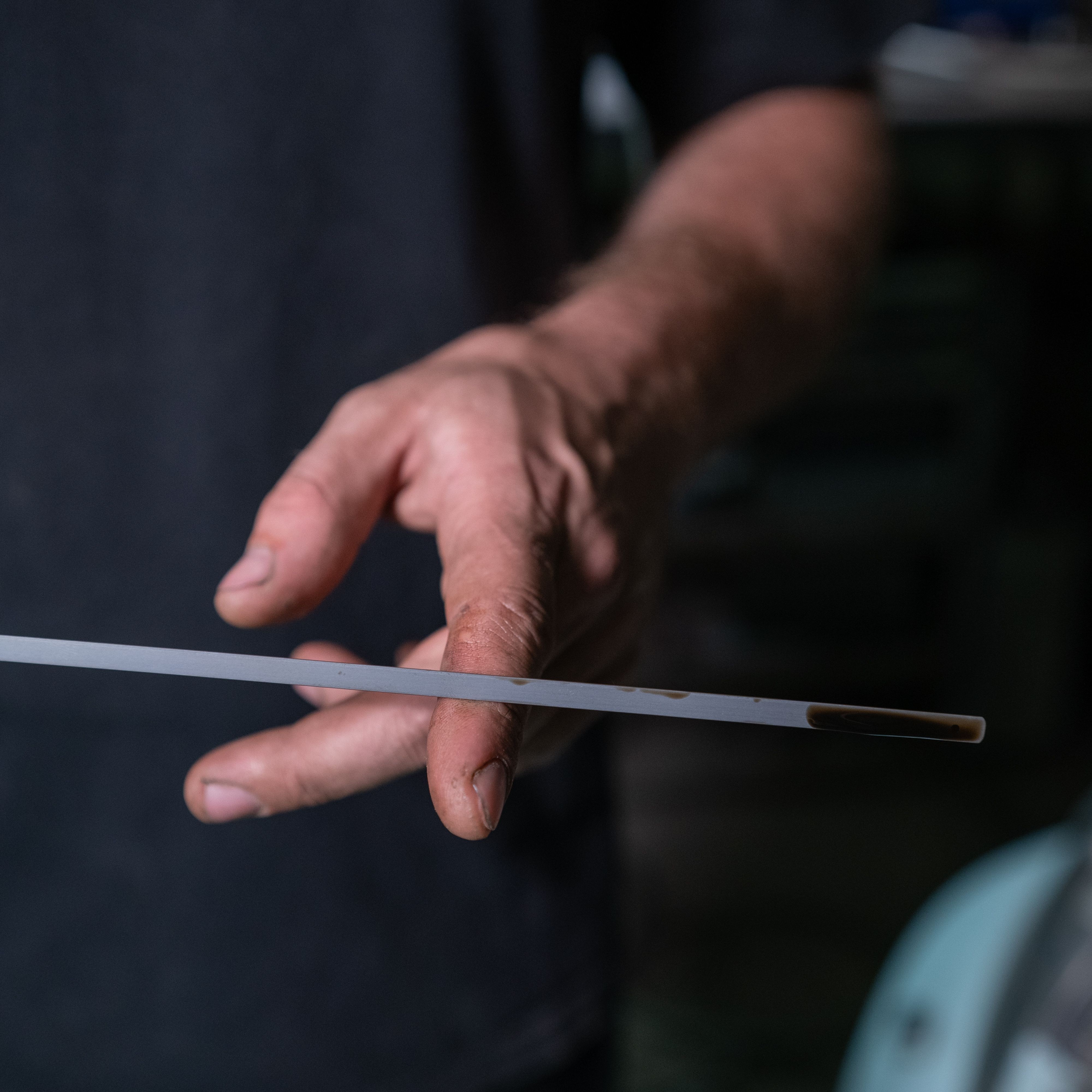
Your vehicle's maintenance reminder or oil-life monitoring system is often the best starting point, but it should not be the only thing you pay attention to. Check your owner's manual for the recommended time and mileage interval, and keep track of when your last oil change was performed. Driving conditions can also affect the schedule. Frequent short trips, heavy traffic, towing, and other demanding driving conditions can require more frequent maintenance on some vehicles. We also recommend checking your oil level regularly, because an engine can consume or lose oil between scheduled services. If your oil level is low or you notice an oil warning light, unusual engine noise, or a possible leak, don't wait for your next scheduled appointment to have it checked.
Does driving in Rhode Island affect how often you should change your oil?
It can, depending on how you use your vehicle. Stop-and-go traffic, frequent short trips, extreme temperatures, and other demanding conditions can place additional demands on an engine. That does not automatically mean every Rhode Island driver needs an oil change every 3,000 miles, but it does make it important to understand your manufacturer's definition of normal versus severe driving conditions. If you're unsure which maintenance schedule applies to you, bring your vehicle to Joe & Sons. We can help you determine what your vehicle's maintenance schedule calls for and keep your routine service on track. Regular oil changes are a small part of maintaining your vehicle, but staying proactive can make a significant difference in keeping your engine running properly for the miles ahead.
Latest Articles

Brake Repair in Cranston, RI: What It Should Cost, What to Watch For, and Why Joe & Sons Service Is the Shop Rhode Island Drivers Trust

Check Engine Light On in Cranston, RI? Here's What It Means and Why Joe & Sons Service Is the Right Call
